← all services

erp integration / legacy bridges

erp integration.

keep the erp. fix everything around it.

your erp is not the problem. the wall around it is. we work with SMEs running SAP Business One, Oracle NetSuite, Microsoft Dynamics, or a Thai-native system like Express Accounting, BusinessPlus or Formula ERP. none of them need replacing. what they need is a bridge to the systems the rest of the business already runs on: Shopify, Shopee, Lazada, LINE OA, and AI tools like Claude. replacing a working ERP is a multi-year bet most SMEs lose. integrating it is a 12 to 24 week bet that ships. we only take the bet that ships.

book a scoping call
the dlvx studio

01 . what it is

the service in detail.

stack: next.js + supabase + integration layerprotocols: soap, rest, edi, sftp, scheduled csvthai-specific: express accounting, businessplus, formula erperp stays the source of truth, always

we build the integration layer, not a new ERP. that layer speaks whatever protocol your system speaks: SOAP for SAP Business One, REST for NetSuite, SFTP or EDI for older supply-chain systems, and scheduled CSV exports where a vendor has locked every other door.

read the full detail (3 more)

the architecture stays calm on purpose. an integration layer hosted in the region you choose, a cache and event log, jobs that retry cleanly instead of silently failing, and a written runbook for every flow we build. your ERP team keeps working exactly as they do today. nobody touches the underlying database. the bridge owns the contract, not the ERP.

for an SME running Thai-language master data, this usually means one more layer of care: customer, vendor and product records get normalised to a clean, consistent format so nothing turns into broken characters downstream, with reporting synthesised in English on top where a role needs it.

the integration spec is written and signed before a single line of code is touched: the data model on both sides, the protocol per flow, and how errors get handled. read-only flows go live first for validation, writes stay behind a feature flag until your own team says go.

02 . who it is for

teams that get stuck here.

archetype 01

an importer or distributor on sap business one

stock and pricing need to reach Shopee and Lazada automatically, and a sales team working in LINE needs a way to check stock and take orders without calling the warehouse. this is a standard bridge shape for us: SAP Business One pushes price and stock to marketplaces automatically, and a LINE OA workflow checks stock, generates a quote and takes the order, all without a change to the SAP database itself.
archetype 02

a hospitality or service business on a booking or property system

a booking or property system needs to feed a guest or client workflow instead of living in its own silo, with a proper handoff into whatever the front-of-house team already uses day to day.

archetype 03

a professional services or manufacturing firm on dynamics or a local accounting system

time, billing or inventory records need to feed a reporting or automation layer without opening up access to data that should stay restricted. governance and row-level access controls are part of the build, not an afterthought.

03 . what you receive

concrete delivery, no abstractions.

04 . timeline

the studio method, four phases.

phase 0

discover.

2 to 4 weeks

we map your data model, agree the protocol per flow, and write the technical spec. fixed fee, credited to the build.

phase 1

architect.

weeks 1-2 of build

the integration layer goes up, adapters get scaffolded, and the first read-only flow goes live for validation before anything writes back to your system.

phase 2

build.

the middle stretch

flows land in priority order, read-only first, writes behind a feature flag, with a working demo on a fixed cadence.

phase 3

scale.

final 2 weeks, then 90 days

production cut-over with a written rollback plan, training for your team, and care starting the moment we go live.

05 . pricing

transparent. no hidden lines.

price by scopefixed per phase

ERP integration starts from USD 16,500, fixed price per phase, published up front rather than quoted after a sales call. timelines run 12 to 24 weeks depending on how many flows are in scope and how the ERP side behaves. a short intake call comes first, and a transparent quote follows within 48 hours.

06 . proof

cases that carry this service.

07 . questions

what buyers ask first.

01

do you replace our erp, or integrate with it?

we integrate, always. the bridge sits between your existing ERP and the modern tools around it, so your ERP team keeps working as they do today and we never touch the underlying database. replacing a working ERP is a multi-year bet. integrating it is a 12 to 24 week bet that ships.

02

we run a thai-specific system like express accounting or businessplus. does this still work?

yes. these systems typically expose data through CSV exports or SFTP, occasionally a REST endpoint. discovery maps what is actually available per data domain, then we build the adapter around it. Thai-language master data comes out normalised to a clean, consistent format, with English reporting synthesised on top where needed.

03

has dlvx built an erp integration before?

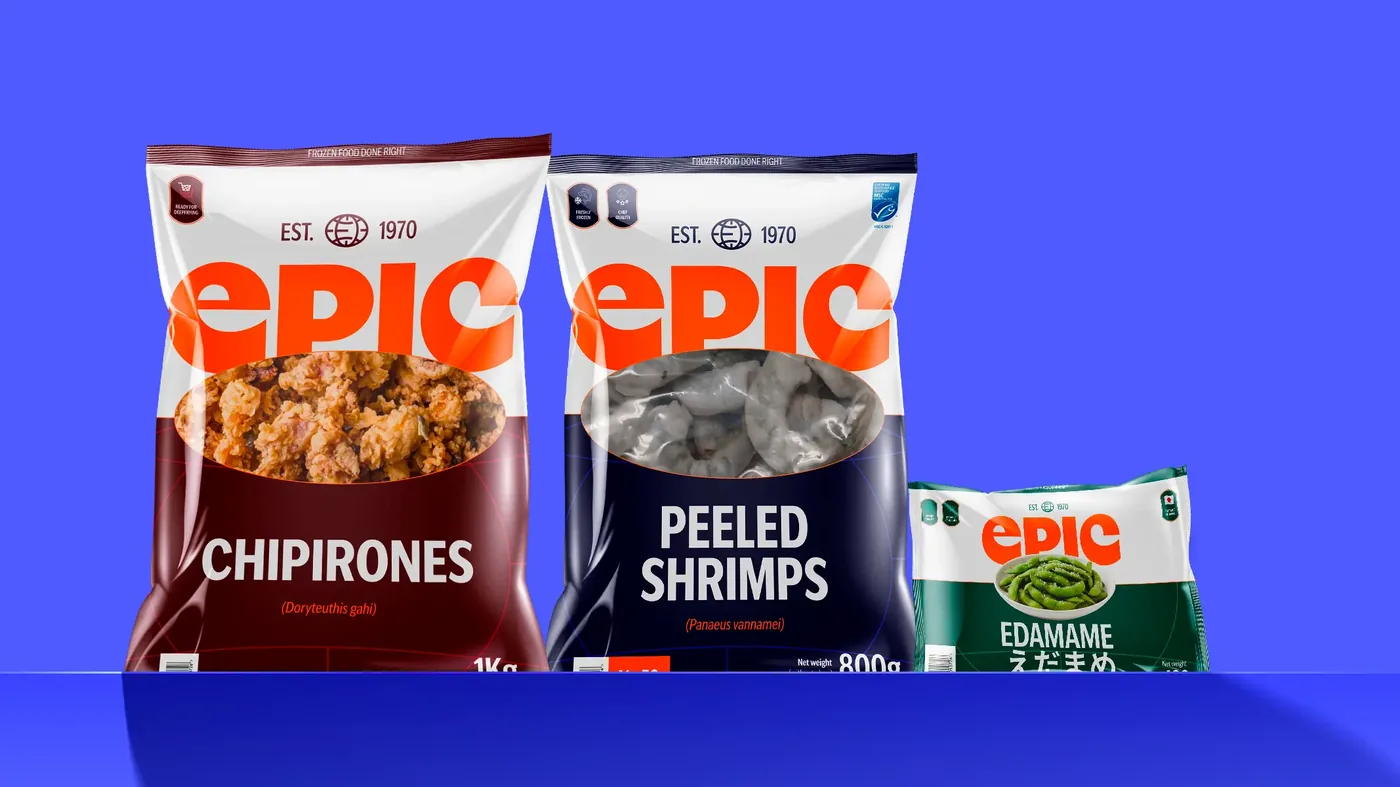
we have scoped this exact pattern, a SOAP bridge into a 30-year-old on-premise ERP, for Hottlet Foods (epic.be), a 75-year-old IFS-certified food importer whose trilingual platform we already built and ships live today. the bridge itself is mapped and ready to build as the next phase. we bring the same integration discipline to a new engagement from day one of discovery.

04

how long does an erp integration project take?

discovery takes 2 to 4 weeks, the build takes 10 to 20 weeks depending on how many flows are in scope and how complex your ERP side is, then cut-over takes about 2 weeks, followed by 90 days of post-launch care. a mid-sized bridge with a handful of flows typically runs 14 to 24 weeks end to end.

05

what does erp integration cost?

ERP integration starts from USD 16,500, fixed price per phase, with pricing published up front rather than quoted after a sales call. the exact number depends on how many flows and systems are involved. a short intake call comes first, then a transparent quote follows within 48 hours.

06

can you connect sap business one to shopee and lazada?

yes, this is a standard bridge shape for us. SAP Business One pushes price and stock to Shopee and Lazada, and a LINE-based workflow can handle stock checks, quotes and order entry for a B2B sales team, all without any change to the SAP database itself.

08 . further

not quite the right fit?

ready to scope it

a brief that gets a real answer.

send us one paragraph: what ERP or accounting system you run, and what needs to talk to it. we reply with a call slot, and a transparent quote follows within 48 hours of that call.